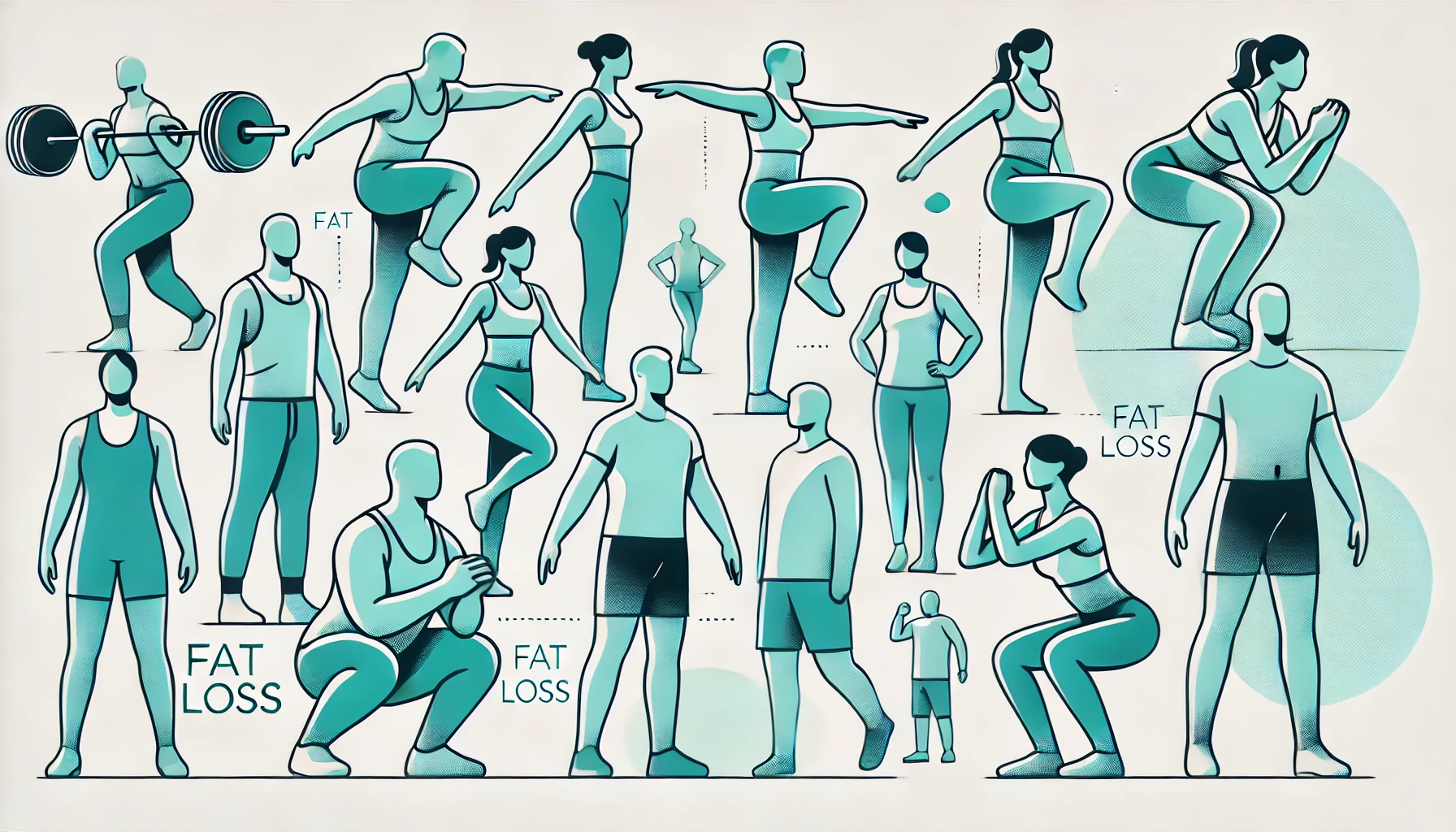
Training for Fat Loss: What Beginners Really Need to Know
Many beginners believe fat loss training must be intense, exhausting, and time-consuming. In reality, effective training for fat loss is far simpler—and far more sustainable.
This article explains how training really supports fat loss, what beginners should focus on, and how to avoid common exercise mistakes.
How Training Supports Fat Loss
Training helps fat loss by increasing calorie expenditure, preserving muscle, and improving metabolic health.
- Burns additional calories
- Helps maintain muscle mass
- Improves insulin sensitivity
- Supports long-term weight maintenance
However, training alone is not enough without proper nutrition.
If you haven’t read it yet, start with nutrition fundamentals:
Do You Need Intense Workouts to Lose Fat?
No. Intensity is not a requirement for fat loss—consistency is.
- Short workouts can be effective
- Low-impact movement still counts
- Overtraining often leads to burnout
Beginners benefit most from simple, repeatable routines.
A short workout example:
Strength Training vs Cardio for Fat Loss
Both strength training and cardio can support fat loss—but they play different roles.
- Strength training: preserves muscle, improves body composition
- Cardio: increases calorie burn and cardiovascular health
A combination of both works best for most people.
How Often Should Beginners Train?
More is not always better.
- 2–4 training sessions per week
- Focus on full-body movements
- Allow time for recovery
Recovery supports fat loss just as much as training.
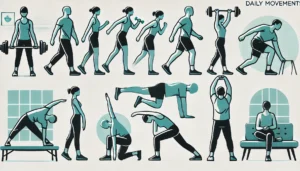
Daily Movement Matters More Than You Think
Fat loss is not only about workouts. Daily movement plays a huge role.
- Walking more
- Taking stairs
- Staying active throughout the day
These small actions add up over time.
Common Training Mistakes Beginners Make
- Doing too much too soon
- Ignoring recovery
- Relying only on cardio
- Using exercise to “punish” eating
Training should support fat loss—not make it stressful.
How Training Fits a Sustainable Fat Loss Plan
Training works best when combined with good nutrition, hydration, and recovery.
Fat loss is a system—not a single habit.
Related habits that support training:
Key Takeaways
- Training supports fat loss, but nutrition leads
- You don’t need extreme workouts
- Consistency beats intensity
- Daily movement matters
- Sustainable routines win long term
When training feels manageable, fat loss becomes far easier to maintain.