Nutrition for Fat Loss: What Really Matters
When it comes to fat loss, nutrition plays a bigger role than most people realize. Many beginners focus heavily on exercise, while overlooking the impact of daily food choices.
This article explains what truly matters in nutrition for fat loss—without extreme diets or complicated rules.
Why Nutrition Is Key to Fat Loss
Fat loss happens when your body uses more energy than it consumes. While exercise helps, nutrition determines how easy—or difficult—this process becomes.
- Food choices affect hunger and fullness
- Calories are easier to control through diet than exercise
- Consistent eating habits support long-term results
This is why most successful fat loss plans start with nutrition.
Calories Still Matter
No matter the diet style, fat loss requires a calorie deficit. You don’t need to count every calorie, but awareness is important.
If you’re new to this concept, this guide explains it clearly:
Food Quality Makes Fat Loss Easier
While calories matter, food quality determines how sustainable fat loss feels.
- Protein helps preserve muscle and control appetite
- Fiber improves fullness and digestion
- Whole foods provide better satiety
Better food quality often leads to better consistency.
Do You Need a Special Diet?
There is no single “best” diet for fat loss. What matters most is finding a way of eating you can stick to.
- No diet works if it’s too restrictive
- Flexibility improves adherence
- Consistency beats perfection
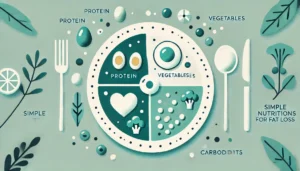
A simple structure is often enough for beginners.
For example:
How Nutrition Supports Exercise (and Vice Versa)
Nutrition and exercise work best together. Good nutrition supports energy, recovery, and muscle preservation.
You don’t need intense workouts to benefit:
Common Nutrition Mistakes in Fat Loss
- Skipping meals to “save calories”
- Over-restricting favorite foods
- Ignoring protein intake
- Inconsistent eating patterns
Avoiding these mistakes makes fat loss much more sustainable.
Key Takeaways
- Nutrition plays the biggest role in fat loss
- A calorie deficit is still required
- Food quality improves consistency
- No extreme diet is necessary
- Sustainable habits lead to long-term success
When nutrition feels simple and flexible, fat loss becomes far easier to maintain.