Calorie Deficit Explained for Beginners
If you are new to fat loss, you have probably heard the term calorie deficit. It sounds complicated, but the idea is actually very simple. This article explains what calorie deficit means, how it works, and how beginners can apply it safely.
What Is a Calorie Deficit?
A calorie deficit happens when your body uses more energy (calories) than it gets from food and drinks. When this happens consistently, your body starts using stored fat for energy.
Simply put:
- You eat fewer calories than your body needs
- Your body uses stored fat to make up the difference
- Over time, this leads to fat loss
This is the foundation of all fat loss methods. No matter what diet or workout you follow, fat loss only happens when there is a calorie deficit.
Why Calorie Deficit Matters for Fat Loss
Many beginners focus only on exercise or cutting certain foods. While those things help, they work mainly because they help create a calorie deficit.
Without a calorie deficit:
- Exercise alone will not lead to fat loss
- Eating “healthy” foods may not be enough
- Weight loss becomes inconsistent or stalls
Understanding calorie deficit helps you avoid confusion and focus on what truly matters.
How to Create a Calorie Deficit (Beginner-Friendly)
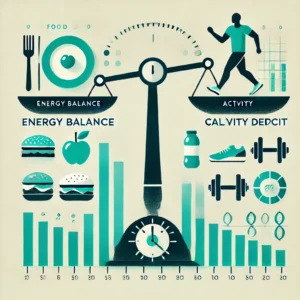
You do not need extreme dieting to create a calorie deficit. Beginners should focus on small, sustainable changes.
1. Eat Slightly Smaller Portions
Reducing portion sizes is one of the easiest ways to lower calorie intake without feeling deprived.
2. Increase Daily Movement
Walking more, taking the stairs, or doing short home workouts can increase calorie burn naturally.
3. Choose Filling Foods
Protein, vegetables, and whole foods help you feel full with fewer calories.
If you want a structured approach, start with our beginner meal plan:
How Big Should a Calorie Deficit Be?
For beginners, a small calorie deficit works best. Extreme deficits often lead to fatigue, hunger, and burnout.
- Aim for slow and steady fat loss
- Avoid cutting calories too aggressively
- Focus on consistency, not speed
Sustainable fat loss is more important than fast results.
Common Beginner Mistakes with Calorie Deficit
- Skipping meals completely
- Cutting calories too low
- Ignoring protein intake
- Relying only on the scale
These mistakes can slow progress and make fat loss harder than it needs to be.
You can learn more about avoiding beginner mistakes here:
Do You Need to Count Calories?
No, calorie counting is optional. Many beginners succeed by following portion control, balanced meals, and consistent movement.
If you prefer simple workouts to support your calorie deficit, try this:
Key Takeaways
- Calorie deficit is the foundation of fat loss
- You do not need extreme dieting
- Small, consistent changes work best
- Sustainability matters more than speed
Once you understand calorie deficit, fat loss becomes much simpler and less stressful.