
Rest & Recovery for Fat Loss: Why Doing Less Can Help You Lose More

Many people believe fat loss requires constant effort—more workouts, more restriction, and less rest. In reality, recovery plays a critical role in sustainable fat loss.
This article explains why rest and recovery matter, how they support fat loss, and how beginners can recover effectively.
Why Recovery Matters for Fat Loss
Training creates stress on the body. Recovery is where adaptation happens.
- Muscles repair and grow during rest
- Hormones stabilize with proper recovery
- Energy levels improve
- Injury risk decreases
Without recovery, fat loss becomes harder—not easier.
For a full training overview:
Rest Days vs Active Recovery
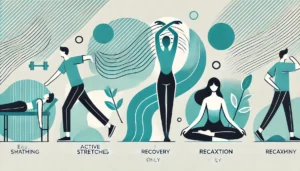
Recovery doesn’t always mean doing nothing.
- Rest days: minimal physical activity
- Active recovery: light movement like walking or stretching
Both support fat loss when used appropriately.
Light movement example:
How Sleep Affects Fat Loss
Sleep is one of the most powerful recovery tools.
- Poor sleep increases hunger
- Lack of sleep worsens cravings
- Recovery hormones decline
Improving sleep quality can directly support fat loss.
Signs You May Need More Recovery
- Constant fatigue
- Decreased performance
- Persistent soreness
- Low motivation
These signs often appear before burnout.
Common Recovery Mistakes
- Skipping rest days
- Using more workouts to “fix” fatigue
- Ignoring sleep quality
- Under-eating during training phases
Recovery is part of training—not the absence of it.
Nutrition also supports recovery:
How Recovery Fits a Fat Loss Lifestyle
Recovery helps you stay consistent by preventing burnout and injury.
It works best alongside good habits:
- Balanced nutrition
- Hydration
- Manageable training volume
Hydration matters too:
Key Takeaways
- Recovery supports fat loss
- Sleep is essential
- Rest days improve consistency
- Doing less can sometimes do more
When recovery is respected, fat loss becomes more sustainable and less stressful.