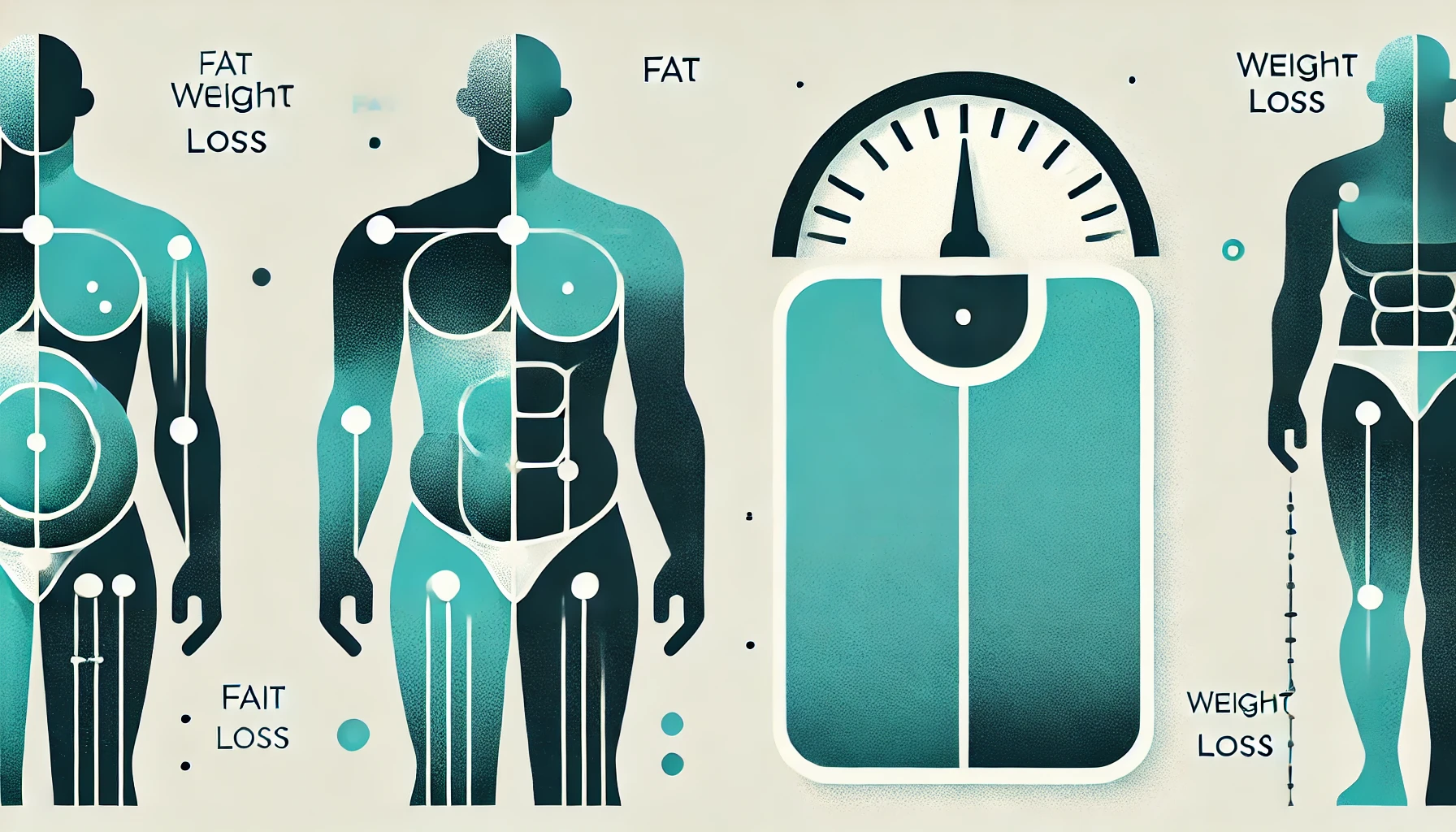
Fat Loss vs Weight Loss: What’s the Difference?
Many beginners use the terms fat loss and weight loss as if they mean the same thing. In reality, they are different—and understanding the difference can save you a lot of frustration.
This article explains what fat loss and weight loss really mean, why the difference matters, and which one you should focus on.
What Is Weight Loss?
Weight loss simply means a decrease in the number on the scale. That number includes everything in your body, such as:
- Body fat
- Muscle mass
- Water weight
- Food inside your digestive system
This is why your weight can change quickly from day to day. A drop on the scale does not always mean you lost fat.
What Is Fat Loss?
Fat loss refers specifically to reducing the amount of body fat you carry. This is what most people actually want when they say they want to “lose weight.”
Fat loss happens when your body uses stored fat for energy, usually through a consistent calorie deficit.
If you are new to this concept, start with this foundational guide:
Why the Scale Can Be Misleading
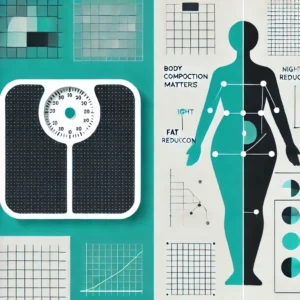
Beginners often rely only on the scale, which can be discouraging. You might lose fat but see little or no change in body weight.
- You may lose fat while gaining muscle
- Water retention can hide fat loss
- Hormones and sodium intake affect scale weight
This is why fat loss progress should be measured with more than just a scale.
Fat Loss vs Weight Loss: Key Differences
- Weight loss focuses on the scale number
- Fat loss focuses on body composition
- Weight loss can be fast and temporary
- Fat loss is slower but more sustainable
For long-term results, fat loss should always be the main goal.
Which One Should Beginners Focus On?
Beginners should focus on fat loss, not just weight loss. This approach leads to better health, better body shape, and results that last.
To support fat loss:
- Follow a small, sustainable calorie deficit
- Eat balanced meals
- Move your body consistently
You can start with a simple nutrition plan here:
How Exercise Fits Into Fat Loss
Exercise helps preserve muscle, burn calories, and improve overall health. It supports fat loss but does not need to be extreme.
For busy beginners, short workouts are enough:
Key Takeaways
- Weight loss and fat loss are not the same
- The scale does not tell the full story
- Fat loss leads to better long-term results
- Beginners should focus on sustainability
Once you shift your focus from weight loss to fat loss, your journey becomes clearer and far less frustrating.