Reverse Dieting Basics: How to Increase Calories Without Regaining Fat
After weeks or months of calorie cutting, many people fear increasing calories. They worry that any increase will undo all their progress.
Reverse dieting is a structured way to increase calories gradually—supporting recovery, metabolism, and long-term fat loss maintenance.
This article explains what reverse dieting is, when to use it, and how to do it safely.
What Is Reverse Dieting?
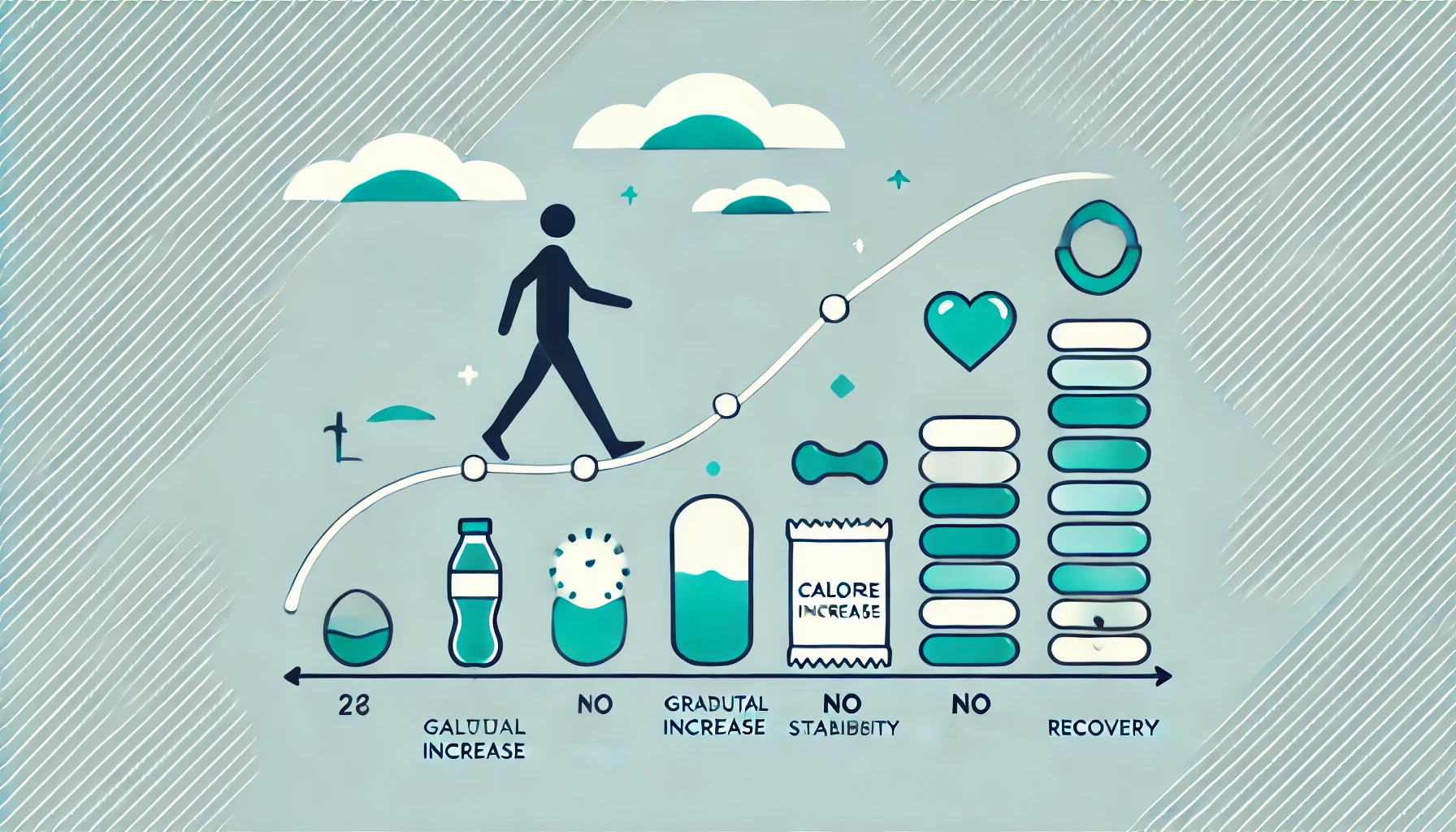
Reverse dieting is the process of gradually increasing calorie intake after a calorie deficit.
- Calories are added slowly
- Weight and habits are monitored
- Training and movement stay consistent
The goal is recovery—not rapid weight gain.
This often follows a long deficit:
Why Reverse Dieting Matters
Prolonged calorie deficits reduce energy expenditure and increase hunger.
- Metabolic rate adapts
- NEAT (daily movement) decreases
- Diet fatigue accumulates
Reverse dieting helps restore balance.
Plateaus often precede this phase:
Who Should Use Reverse Dieting?
Reverse dieting is useful if:
- You’ve been in a calorie deficit for months
- Hunger and fatigue are high
- Weight loss has slowed or stopped
- You want to maintain results sustainably
Not everyone needs it—but many benefit from it.
Diet breaks are a related strategy:
How to Start a Reverse Diet
The key is gradual change.
- Add 50–100 calories per week
- Focus on carbohydrates or fats first
- Keep protein intake consistent
Monitor trends—not daily fluctuations.
Advanced strategy context:
What to Expect During Reverse Dieting
Some weight fluctuation is normal.
- Water weight may increase initially
- Energy levels improve
- Training performance increases
This does not mean fat gain.
Mindset helps manage this phase:
Common Mistakes With Reverse Dieting
Reverse dieting fails when structure is lost.
- Increasing calories too quickly
- Reducing activity at the same time
- Abandoning tracking entirely
Gradual adjustments are key.
Consistency still applies:
Reverse Dieting vs “Eating Normally”
Reverse dieting is intentional, not reactive.
- Structured calorie increases
- Stable habits
- Data-informed decisions
This reduces rebound weight gain risk.
Recovery supports this phase:
Key Takeaways
- Reverse dieting helps maintain fat loss
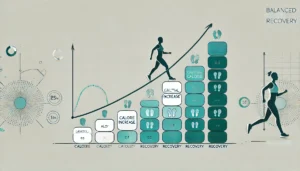
- Calories should increase gradually
- Weight fluctuations are normal
- Structure prevents rebound gain
Reverse dieting turns fat loss into a sustainable lifestyle—rather than a temporary phase.