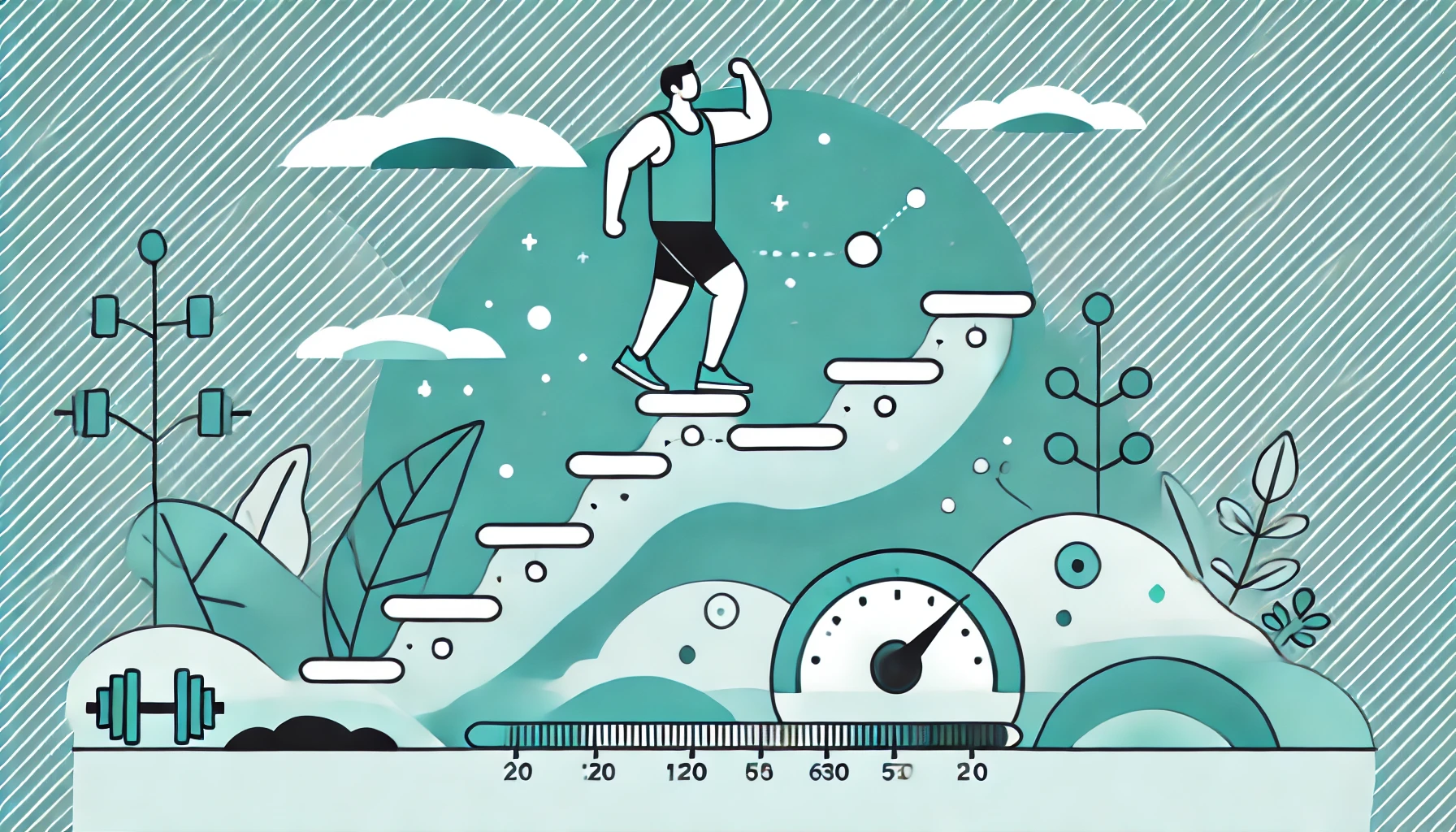
Fat Loss Plateaus Explained: Why Weight Loss Stalls and What to Do

A fat loss plateau is one of the most frustrating parts of any weight loss journey. You’re doing the “right things,” but the scale refuses to move.
The good news? Plateaus are normal—and usually temporary.
This article explains why fat loss plateaus happen and how to respond without panic or extreme measures.
What Is a Fat Loss Plateau?
A fat loss plateau occurs when your body adapts to your current calorie intake and activity level.
- Energy intake matches energy expenditure
- Weight remains stable for several weeks
- Fat loss slows or pauses
This doesn’t mean fat loss has stopped forever.
Plateaus are explained further here:
Common Reasons Fat Loss Plateaus Happen
Most plateaus are caused by a combination of small factors.
- Reduced daily movement (NEAT)
- Portion creep over time
- Improved metabolic efficiency
- Accumulated fatigue and stress
None of these are failures—they are adaptations.
Stress often plays a role:
How Long Is a True Plateau?
Not every stall is a plateau.
- Less than 2 weeks: likely normal fluctuation
- 2–4 weeks: possible plateau
- 4+ weeks: time to assess and adjust
Weekly averages matter more than daily weigh-ins.
Tracking mindset helps here:
What NOT to Do During a Plateau
Plateaus often trigger emotional reactions that make things worse.
- Drastically cutting calories
- Adding excessive cardio
- Skipping recovery
- Constantly changing plans
These actions increase stress and reduce adherence.
Recovery still matters:
Smart Ways to Break a Fat Loss Plateau
Use controlled, strategic adjustments.
- Increase daily steps
- Tighten portion consistency
- Improve sleep and stress management
- Schedule a short diet break
Small changes often unlock progress.
Walking is an easy lever:
When a Plateau Is Actually a Signal to Pause
Sometimes a plateau is your body asking for recovery.
- Poor sleep
- Low energy
- Loss of motivation
In these cases, pushing harder delays progress.
Consider stepping back:
Key Takeaways
- Plateaus are normal adaptations
- They don’t mean failure
- Small, strategic changes work best
- Recovery and patience matter
Understanding plateaus removes fear—and makes fat loss sustainable.