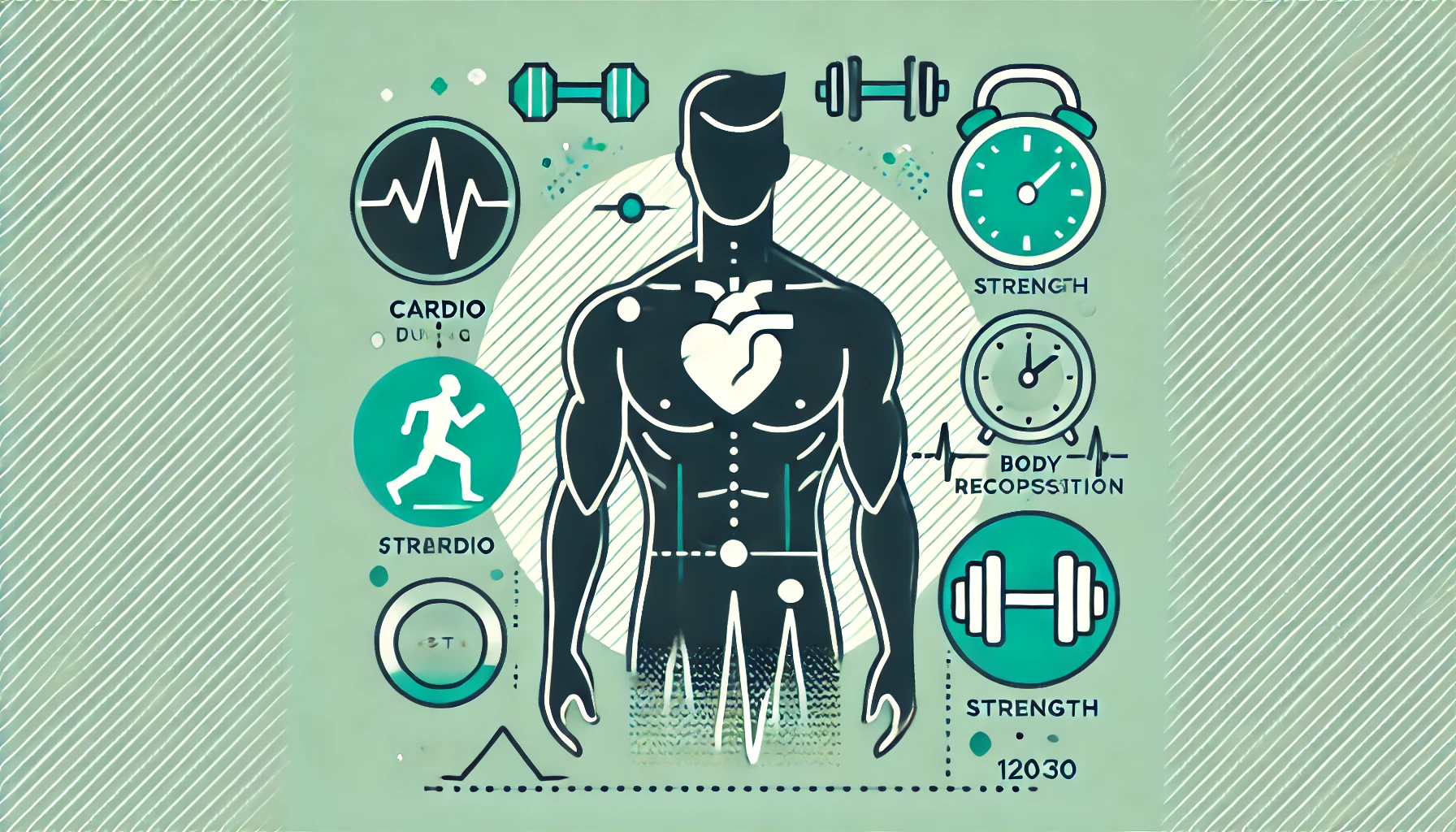
Cardio During Body Recomposition: How Much Is Too Much?
Cardio is often misunderstood during body recomposition. Some people avoid it completely, while others rely on it too heavily.
The truth is, cardio can support body recomposition—if it’s used correctly and in the right amount.
This article explains how much cardio you actually need during body recomposition, what type works best, and when cardio becomes counterproductive.
What Is the Role of Cardio in Body Recomposition?
During body recomposition, resistance training drives muscle growth. Cardio plays a supportive role.
- Helps manage calorie balance
- Improves cardiovascular health
- Supports daily movement and recovery
Cardio should never replace strength training when recomposition is the goal.
Why Too Much Cardio Can Hurt Body Recomposition
Excessive cardio increases fatigue and recovery demands.
- Reduces strength training performance
- Interferes with muscle recovery
- Increases muscle breakdown risk
When recovery suffers, muscle gain slows—even if fat loss continues.
How Much Cardio Is Ideal for Body Recomposition?
For most people, moderate cardio works best.
- 2–3 sessions per week
- 20–40 minutes per session
- Low to moderate intensity
This amount supports fat loss without compromising muscle growth.
Best Types of Cardio for Body Recomposition
Not all cardio types are equally suitable during recomposition.
- Walking or incline walking
- Cycling or rowing
- Low-impact steady-state cardio
These options minimize interference with recovery and strength training.
Does HIIT Work for Body Recomposition?
HIIT can be effective, but it should be used sparingly.
- Limit to 1 session per week
- Keep sessions short
- Avoid pairing with heavy lifting days
Too much HIIT can quickly overwhelm recovery.
How to Combine Cardio and Strength Training
Smart scheduling reduces interference effects.
- Do cardio after lifting or on separate days
- Avoid intense cardio before strength sessions
- Prioritize lifting performance
This keeps muscle-building signals strong.
Signs You’re Doing Too Much Cardio
Watch for these warning signs.
- Declining strength performance
- Persistent fatigue
- Slow recovery between workouts
If these appear, reduce cardio volume or intensity.
Key Takeaways
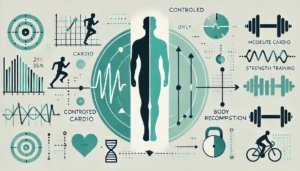
- Cardio supports body recomposition—but should not dominate
- Moderate volume works best
- Strength training remains the priority
- Recovery determines long-term success
When cardio is balanced properly, body recomposition becomes sustainable and effective.