Training Split for Body Recomposition: How to Structure Your Workouts
Body recomposition requires training that stimulates muscle growth while allowing recovery for fat loss.
The right training split helps balance volume, intensity, and recovery—key factors for recomposition success.
This article explains how to choose and structure a training split for body recomposition.
What Is a Training Split?
A training split is how workouts are organized across the week.
- Which muscles you train each session
- How often each muscle is trained
- How recovery is distributed
For recomposition, balance matters more than complexity.
Recomposition fundamentals:
Training Frequency for Recomposition
Most people benefit from training each muscle group 2–3 times per week.
- Enough stimulus for muscle growth
- Better recovery management
- Consistent strength progression
Lower frequency can still work, but progress may be slower.
Training basics still apply:
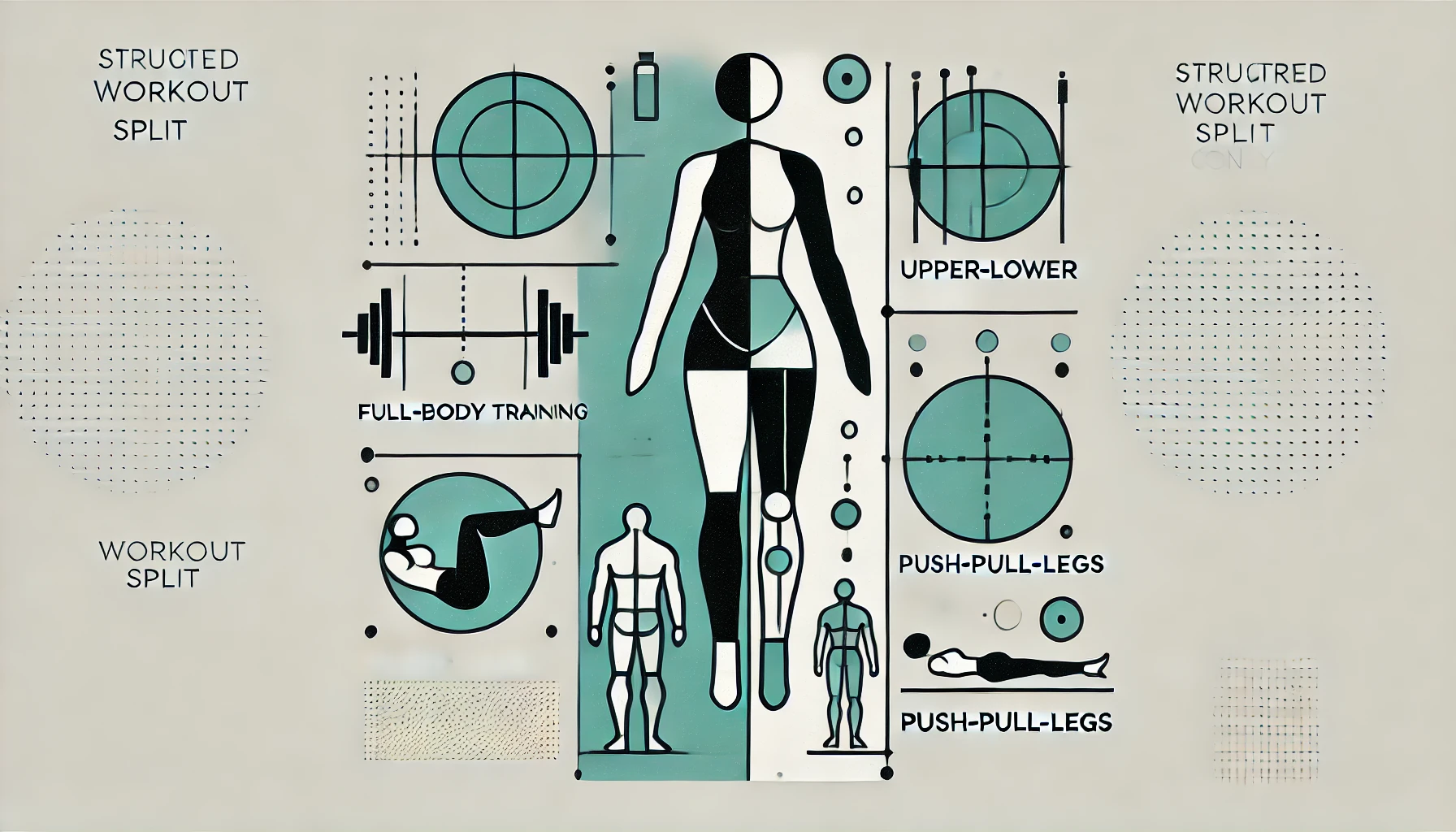
Best Training Splits for Body Recomposition
The best split is one you can sustain consistently.
- Full-body (3 days/week)
- Upper/Lower split (4 days/week)
- Push/Pull/Legs (4–6 days/week)
Choose based on schedule and recovery ability.
Training volume matters:
How Much Volume Is Enough?
Moderate volume works best for recomposition.
- 10–15 sets per muscle per week
- Focus on compound movements
- Leave 1–3 reps in reserve
Too much volume harms recovery.
Protein supports training:
Where Does Cardio Fit In?
Cardio supports health and calorie balance—but shouldn’t dominate.
- Low to moderate intensity
- 2–3 sessions per week
- Placed away from heavy lifting days
Cardio should support—not sabotage—training.
Cardio guidance:
Recovery and Training Splits
Recovery determines how much training you can handle.
- Sleep quality
- Stress management
- Rest days
If recovery suffers, adjust volume or frequency.
Recovery essentials:
Signs Your Training Split Is Working
Look for consistent trends.
- Strength increases
- Stable energy levels
- Improving body composition
If these align, your split is effective.
Consistency matters:
Key Takeaways

- Training splits should balance stimulus and recovery
- Full-body and upper/lower work well for most people
- Moderate volume supports recomposition
- Sustainability beats complexity
A well-structured training split makes body recomposition predictable and sustainable.