
Rest & Recovery for Fat Loss: Why Doing Less Can Help You Lose More

When fat loss stalls, many people respond by eating less and training more. Unfortunately, this approach often backfires.
Rest and recovery are not optional extras—they are essential components of sustainable fat loss.
This article explains why recovery matters and how to use it to support fat loss instead of slowing it down.
What Is Recovery?
Recovery is the process by which your body adapts to stress from training, diet, and daily life.
- Muscle repair and growth
- Hormonal balance
- Restoration of energy levels
Without proper recovery, progress slows regardless of effort.
Recovery fits within a healthy lifestyle:
How Lack of Recovery Affects Fat Loss
When recovery is insufficient, fat loss becomes harder.
- Increased fatigue and soreness
- Higher stress and cortisol levels
- Reduced training quality
- Lower motivation
Over time, this can lead to plateaus or burnout.
Stress plays a role here:
Recovery vs Laziness
Rest is often misunderstood as being lazy—but recovery is intentional.
- Planned rest days
- Active recovery sessions
- Adequate sleep
Recovery supports performance, not avoidance.
Mindset matters:
Types of Recovery That Support Fat Loss
- Sleep: primary recovery tool
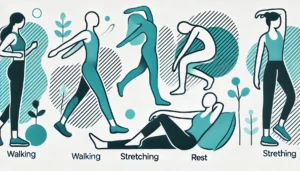
- Active recovery: walking, light movement
- Rest days: scheduled breaks from training
- Mental recovery: reducing stress
All forms work together.
Sleep is foundational:
Active Recovery: Moving Without Overdoing It
Active recovery promotes blood flow and reduces stiffness.
- Walking
- Gentle stretching
- Mobility work
These activities support fat loss without adding stress.
Walking works well here:
How Much Recovery Do You Need?
The right amount depends on training intensity, stress, and sleep.
- 1–3 rest days per week
- Daily low-intensity movement
- Consistent sleep schedule
Listen to trends, not single days.
Consistency still applies:
Recovery Prevents Burnout
Burnout often comes from ignoring recovery signals.
- Chronic fatigue
- Loss of motivation
- Stalled progress
Proper recovery protects long-term consistency.
If you feel overwhelmed:
Key Takeaways
- Recovery is essential for fat loss
- Doing more is not always better
- Sleep and stress management matter
- Active recovery supports consistency
When recovery is respected, fat loss becomes more sustainable and enjoyable.